Keynote Speakers
Additional speakers will be announced here as they are confirmed. Speakers marked as shared are jointly hosted with ATRACC 2026, a co-located AAAI Fall Symposium.
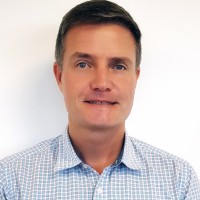
Program Director, CISE/IIS, National Science Foundation
Professor of Computer Science, Rutgers University
Title: TBA
Abstract: TBA
Bio: TBA
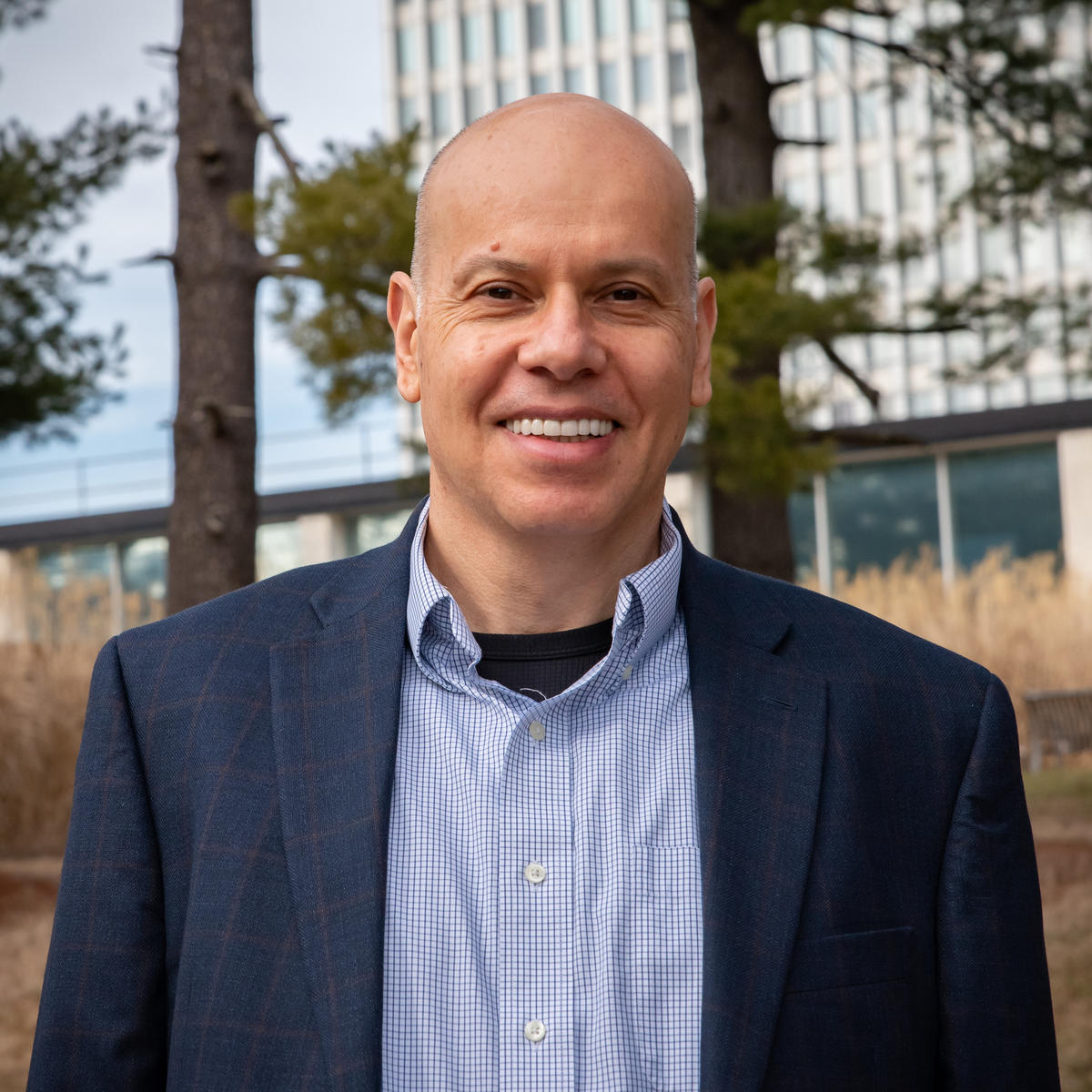
Research Team Supervisor, Security Components Group, Computer Security Division, Information Technology Laboratory, NIST
Title: Maintaining Trust in Agentic AI Systems, When the Guardrails Stop Working
Abstract: TBA
Bio: Apostol Vassilev (ZP-V) is a leading expert in Trustworthy and Responsible AI and Cybersecurity at the National Institute of Standards and Technology (NIST) and the National Cybersecurity Center of Excellence (NCCoE). His work is characterized by a rare fusion of deep theoretical research and practical advances, driving the development of national and international standards that secure the next generation of AI technologies. He is the Principal Investigator of the project on Robustness of Physical AI for self-driving cars at NCCoE. For this work Apostol was named a Top 20 voice in Automotive Cybersecurity for 2026 by Automotive IQ.
Recently, Apostol made a significant contribution to the fundamental understanding of AI safety by extending Gödel's incompleteness theorem to the domain of artificial intelligence. He successfully proved that no finite set of guardrails is universally robust against adaptive adversarial prompts. This landmark result offers a formal mathematical boundary for AI Security and Alignment, suggesting that safety in current and future AI systems cannot be a static achievement but must be a dynamic, evolving process.
Beyond his theoretical breakthroughs, Apostol is a practical force in the AI security community. He serves on the Distinguished Expert Review Board of the OWASP GenAI Security Project and is a founding member of the OWASP AI Vulnerability Scoring System project. His research also focuses on Adversarial Machine Learning (AML) and Robust Physical AI for autonomous vehicles.
With a Ph.D. in Mathematics from Texas A&M University, Apostol has authored over 70 scientific papers and holds five U.S. patents. His leadership and dedication to public service have earned him numerous accolades, including a medal from the U.S. Department of Commerce. A respected authority and frequent conference speaker, his insights are regularly featured in prominent publications such as the Wall Street Journal, Politico, Fortune and Forbes.
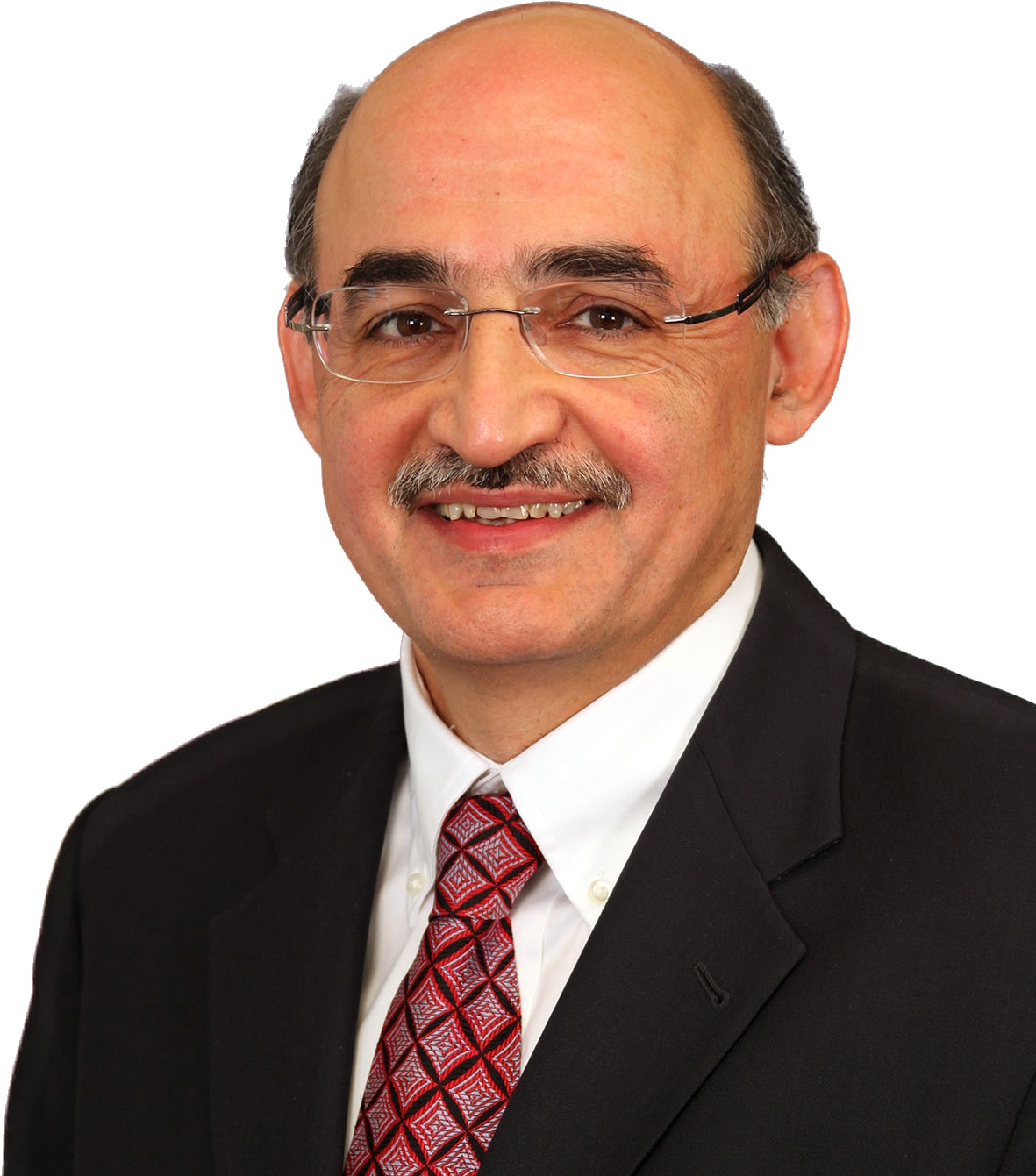
Reza Ghanadan (shared with ATRACC '26)
Professor and Executive Director of Innovations in AI, University of Maryland
Title: TBA
Abstract: TBA
Bio: Dr. Reza Ghanadan is Professor and Executive Director of Innovations in AI at the A. James Clark School of Engineering and the Institute for Systems Research at the University of Maryland, where he leads initiatives in AI engineering, robust and trustworthy AI systems, agentic intelligence, and applied AI for science and engineering. He is an affiliated research professor with the Department of Computer Science at the University of Maryland, the Artificial Intelligence Interdisciplinary Institute at Maryland (AIM), and the Center for Machine Learning at the University of Maryland. His work focuses on advancing scalable, reliable, and deployable AI systems that bridge foundational research with real-world impact across industry, government, and mission-critical applications. He is an IEEE Fellow, recognized for leadership in robust AI technologies and applications.
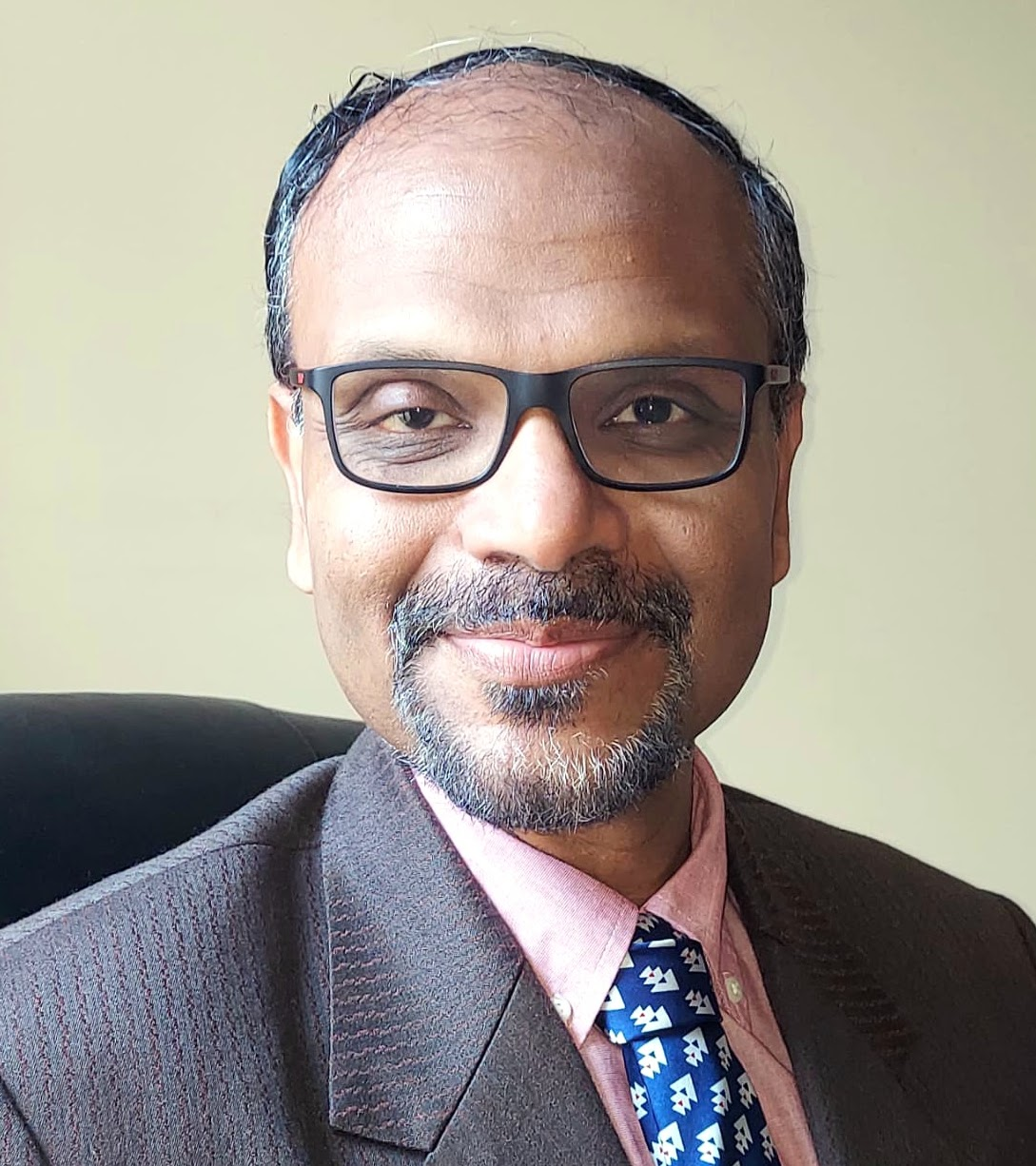
Raj Dasgupta (shared with ATRACC '26)
Research Scientist, Distributed Intelligent Systems Section, Naval Research Laboratory
Title: TBA
Abstract: TBA
Bio: Dr. Raj Dasgupta is a research scientist in the Distributed Intelligent Systems Section, Information Technology Division at the Naval Research Laboratory in Washington, D. C. His group does research in the field of AI and machine learning around the areas of adversarial AI, reinforcement learning, game theory and multi-robot/multi-agent systems. From 2001-2019, he was the Union Pacific Endowed Professor (tenured) with the Computer Science Department at the University of Nebraska, Omaha. He established and directed the CMANTIC Robotics Lab there and led several large projects supported by NASA, Office of Naval Research and NAVAIR. He is also a senior member of IEEE.
Invited Talks

John E. Derrick
Founder and Chief Executive Officer, Authentrics.ai
Title: Diff, Trace, and Patch: Independent Analysis, Monitoring, Control, and Correction of Fine-Tuned Open-Weight Models at the Checkpoint Level
Abstract:
Summary of Key Points
Premise: independent monitoring & control of model internals are a safety requirement.
- Input–output evaluation alone cannot reveal or remediate learned behavior; assurance requires inspection and control of internal weights.
- Tools independent of the training pipeline enable V&V, auditability, and governance of fine-tuned open-weight models.
- Local, checkpoint-based operation keeps weights and training data on-premise and supports data-removal obligations (e.g., GDPR, CCPA).
Mechanisms
- Analysis: differencing of model behavior across checkpoints; tracing through weights and activations to attribute outputs to training data.
- Correction: targeted checkpoint patching, without rollback, to remove corrupted epochs, poisoned batches, or protected data; reported correction-cost reductions exceed 90%.
- Accuracy improvement: global tuning without additional data or training cycles.
Key Takeaways
- Trustworthy agentic systems presuppose trustworthy models; assurance must extend to model internals.
- Existing training checkpoints are sufficient to analyze, monitor, and correct fine-tuned open-weight models.
- Weight-level remediation offers a lower-cost alternative to full retraining.
- Attribution and machine unlearning make regulatory compliance and auditing tractable.
- On-premise analysis reconciles data protection with oversight requirements in government and industry.
Bio: John E. Derrick founded Authentrics.ai (Knoxville, TN) in 2023 to address the opacity of neural networks. The company’s checkpoint-native platform provides weight-level attribution, monitoring, and correction for mission-critical AI without retraining, supporting verification and validation (V&V) for defense and commercial users. Mr. Derrick has 34 years of experience in information science and artificial intelligence, has advised or lead numerous commercial and government funded projects spanning multi-spectral, LLM, advanced manufacturing, and numeric use cases. Inventor on 20 patents, advised / mentored for numerous companies, and mentor/advisor for Innovation Crossroads, Yale EIR, and others.
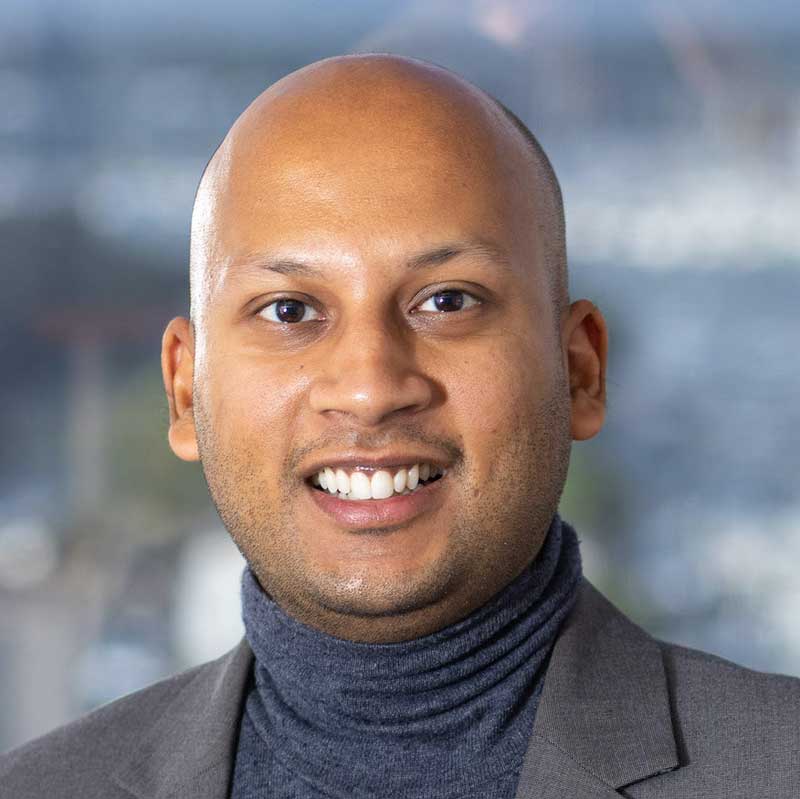
Research Associate Professor of Industrial and Systems Engineering, University of Southern California
Principal Scientist, USC Information Sciences Institute
Title: Building Trustworthy AI Agents for Science
Abstract: Scientific discovery depends on much more than experiments alone. Researchers must also keep up with a fast-moving literature, plan projects, analyze results, prepare manuscripts and proposals, and manage many time-consuming tasks that shape whether good science moves forward. In this talk, I will discuss how agentic AI can help researchers and universities work more efficiently across this broader research lifecycle. Rather than serving only as a chatbot, these systems can help with connected tasks such as literature synthesis, scientific writing, grant development, and research communication.
I will describe the emerging idea of an AI scientist and discuss how such systems are beginning to support workflows that can contribute to genuinely novel and reliable scientific findings. I will also briefly review some of the infrastructure behind this vision, including a scientific writing editor, tools for grant writing and research dissemination, and an OpenClaw-based scientific experimentation platform currently being used by researchers at 80+ institutions worldwide. Throughout the talk, I will emphasize practical opportunities for using agentic AI to enhance research productivity while preserving rigor, trust, and human judgment.
Bio: Mayank Kejriwal is a research associate professor and principal scientist at the University of Southern California, where he directs a research group on Artificial Intelligence and Complex Systems (AICS). His research has been funded by DARPA, NIH and corporate and foundation opportunities, and published in prestigious venues like Science, Nature Communications, PNAS Nexus, and AAAI. He is also CEO and co-founder of GRAIL, an autonomous science company that is building AI agents for amplifying university research.